Videos & Interviews
Talking through the history, the mechanics, and the path toward a democracy without politicians
Start Here
New to Terry’s work? These two short videos introduce the central idea behind Democracy Without Politicians: elections do not produce government by the people — they produce politicians. Terry explains how his years in elected office led him to that conclusion, and why sortition — democratic lotteries that bring ordinary citizens into public decision-making — offers a more genuinely democratic path.

How a Former Politician Discovered Sortition
Terry traces his path from elected office and electoral reform to the conclusion that elections themselves may be the problem—and explains why sortition offers a more democratic alternative.

Why Elections Are Not the Same as Democracy
Elections let us choose politicians. Democracy, Terry argues, should mean something more: ordinary people themselves sharing directly in public decision-making.
Video Essays
In these short video essays, Terry explains why elections fall short of real democracy — and why sortition, citizens’ assemblies, and juries point toward government by the people.
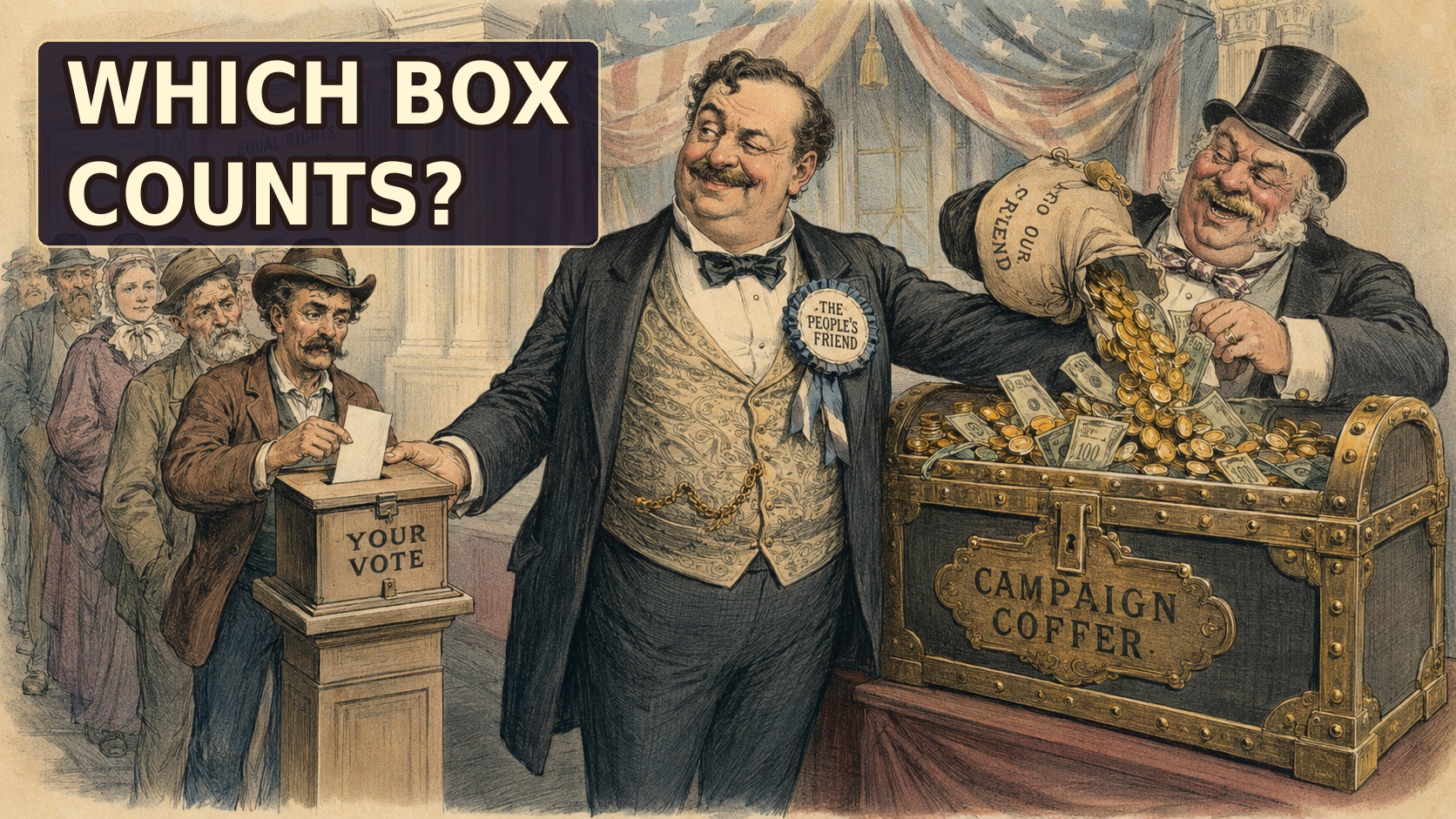
Elections Produce Politicians, Not Democracy
In this short essay, Terry argues that trying to fix elections misses the deeper problem: elections choose politicians, not the people. To expand democracy, he makes the case for sortition — citizens chosen by lot to deliberate, learn, and govern together.
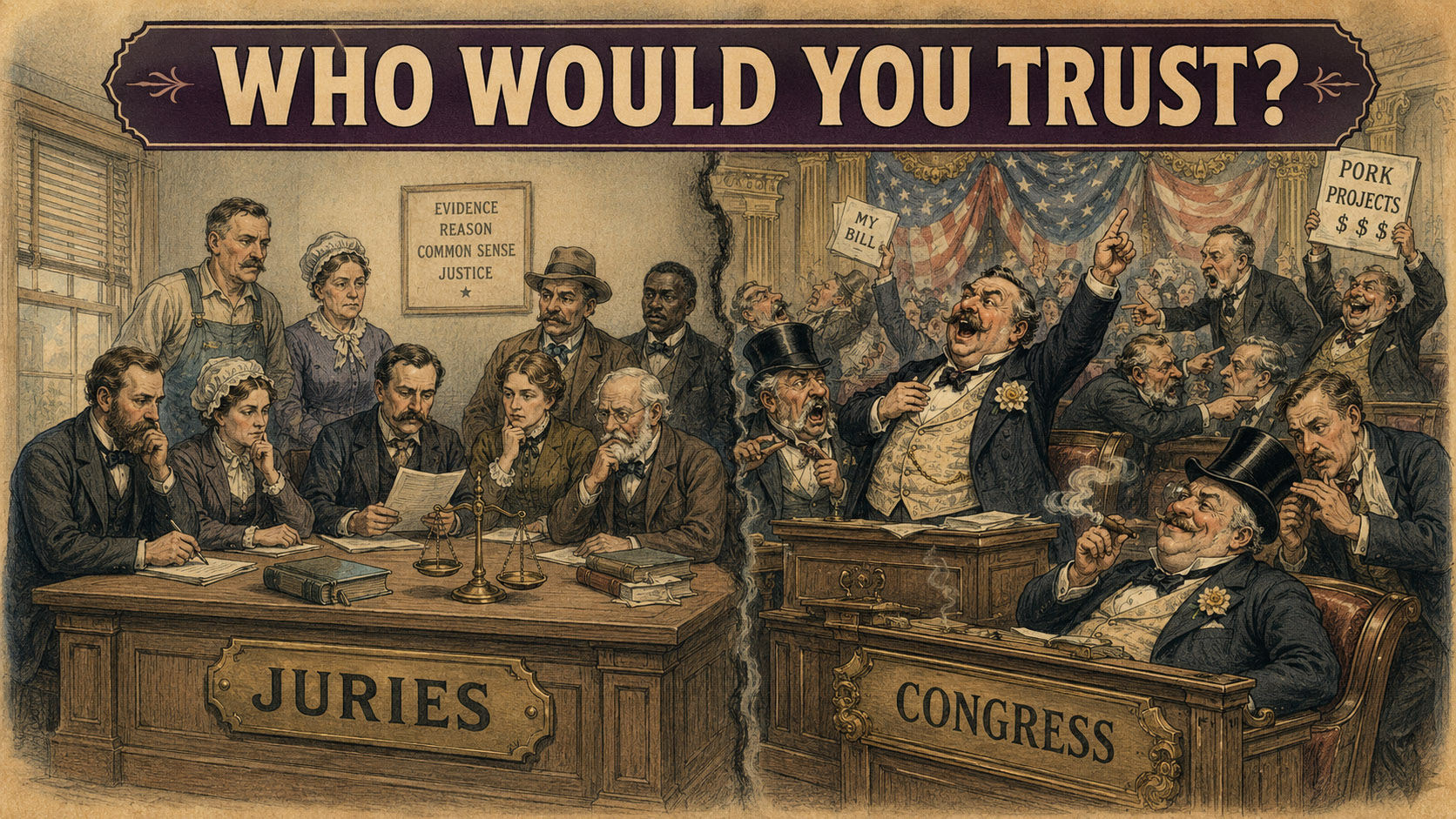
Trust Juries: Why Ordinary People Can Govern
We already trust ordinary citizens, chosen by lot, to weigh evidence and make serious decisions as jurors. Terry contends that this familiar practice points toward a deeper democratic idea: citizens can govern well when they have time, information, and a real duty to deliberate.
Accountability: Why Elections Don’t Keep Politicians in Check
Elections are often defended as the way citizens hold politicians accountable. Terry asserts that this promise is much weaker than it sounds: voters have little real power over officials once they are in office, and elections mostly reward the skills needed to win campaigns. Sortition offers a different path — one where citizens chosen by lot can deliberate, oversee public decisions, and share real governing power.
Consent: Why Voting Is Not the Same as Self-Government
We often say governments derive their legitimacy from the “consent of the governed.” But Terry maintains that voting for politicians is a thin form of consent: citizens are asked to choose rulers, not to share power. Sortition points toward a deeper democratic standard — ordinary people chosen by lot, deliberating together, and taking a direct role in government.
Rational Ignorance: The Impossible Job We Give Voters
Voters are expected to judge candidates, parties, policies, budgets, wars, courts, and crises — usually with little time and little real chance that one vote will decide the outcome. Terry makes the case that this is not a personal failure by voters; it is a design failure in elections. Sortition changes the task by giving selected citizens time, information, and responsibility to deliberate before making public decisions.
Competence: Citizens Can Govern Better Than Politicians
Politicians are often treated as if they have special competence to govern. Terry explains that the real difference is not superior wisdom, but the setting: elected officials operate inside a system shaped by campaigns, parties, donors, and career incentives. Sortition creates a different setting, where ordinary citizens can hear evidence, ask questions, deliberate, and make sound public decisions together.
Deliberation: Why Real Democracy Needs Time to Think
Legislatures are supposed to deliberate, but Terry explains that much of what passes for debate is political theater shaped by parties, donors, campaigns, and public performance. Sortition creates a different setting: citizens chosen by lot can hear evidence, question experts, listen to one another, and change their minds before making public decisions.
Interviews & Conversations

Terry visits with Democracy R&D and explains his multi-body sortition model, why a single citizens’ assembly isn’t enough, and how randomly selected bodies could form a working democratic government.
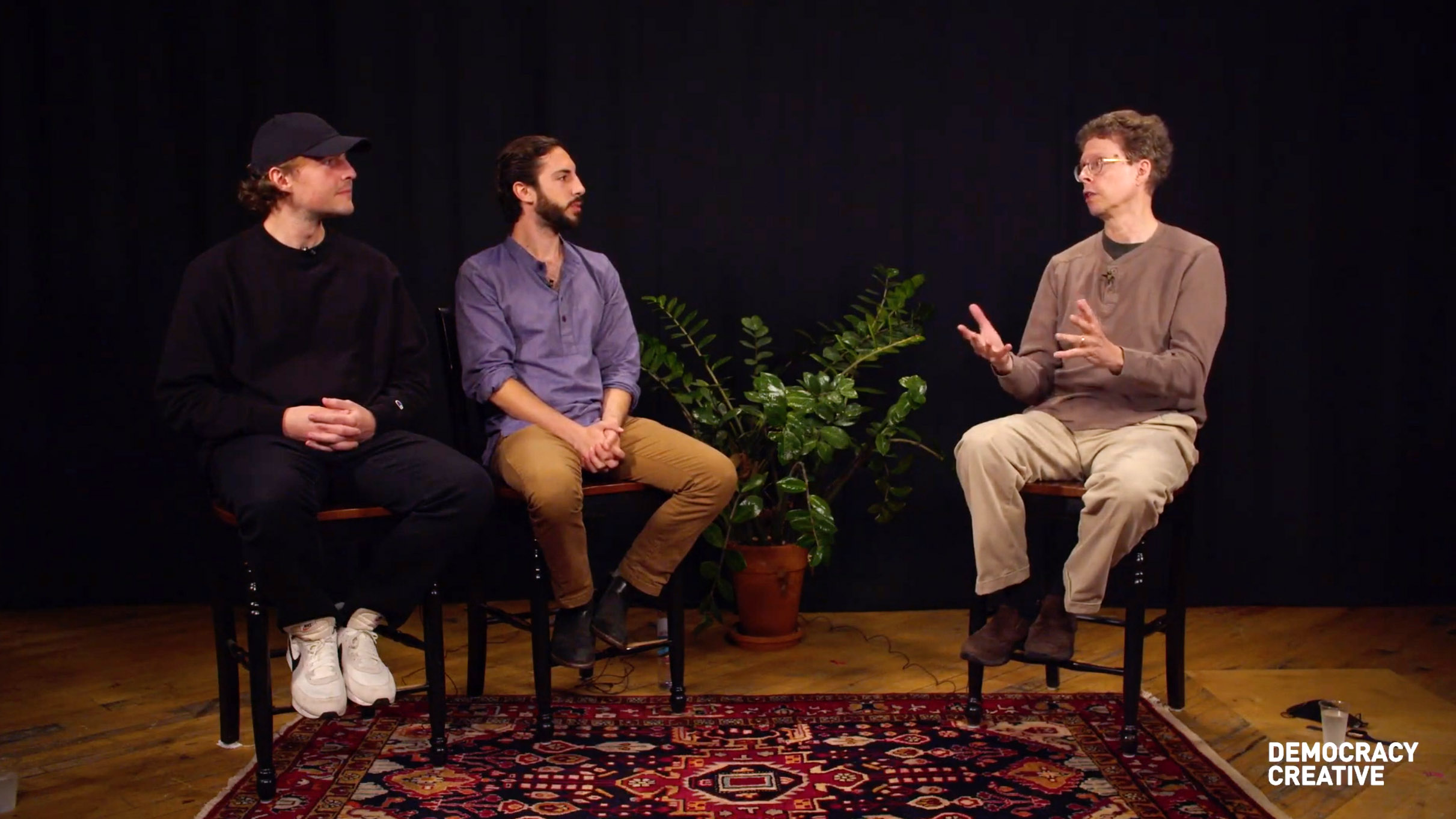
Terry sits down with Jesse and Tevan from Democracy Creative to discuss sortition, democratic lotteries, citizens’ assemblies — and why he thinks elections aren’t really democratic.
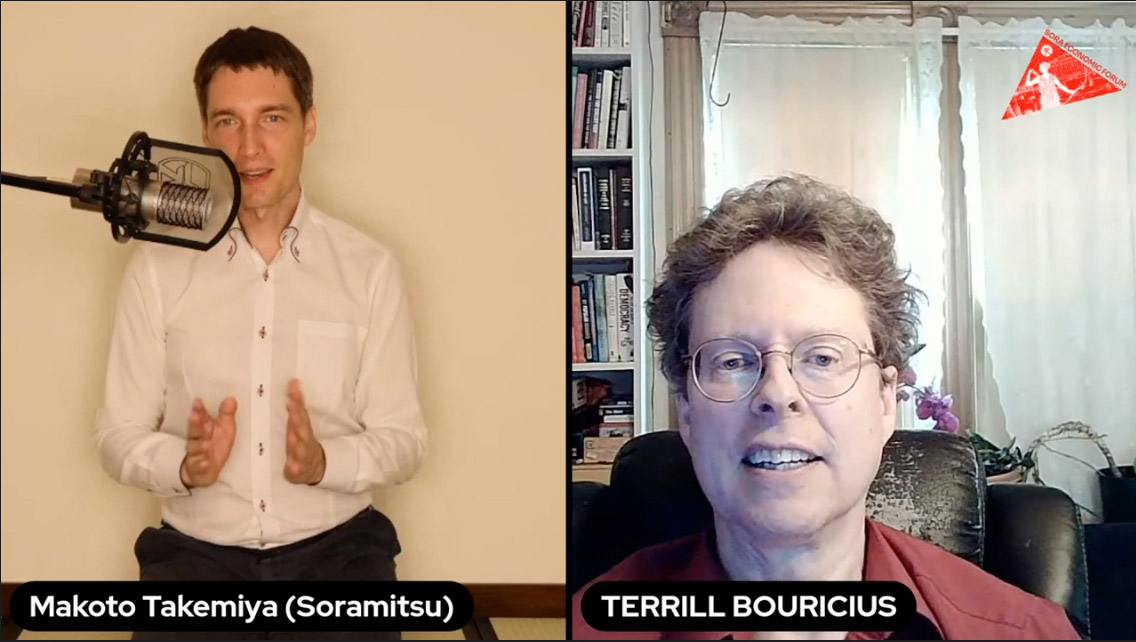
Democracy wasn’t supposed to be a popularity contest. Terry gives a quick history lesson on why Athenians used random selection instead of elections, and how to bring that system back. Sora Economic Forum

Terry uses his experience in the Vermont legislature to explain why elected lawmakers are so disconnected from the public—and why replacing them with randomly selected citizen juries is the cure for polarization. Revolutionary Optimism Podcast

How We Save Democracy: the case for Sortition with Terry Bouricius
Terry joins longtime electoral-reform colleague David Cobb to discuss why fixing elections may not be enough—and why randomly selected citizens could govern better than a permanent political class.