What if Everything
We Thought We Knew
About Democracy Was Wrong?
Choose Your Format:
Open Access — FREE for everyone, published by Routledge
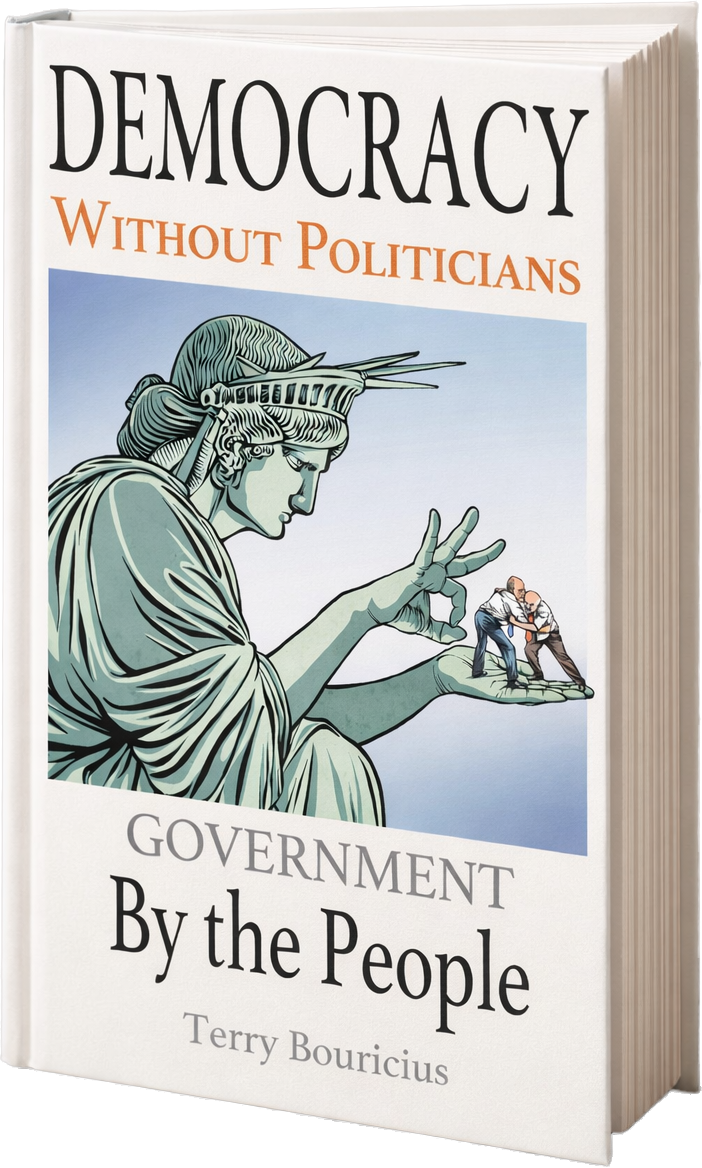
Elections Produce Politicians, Not Democracy
Today, we call a system democratic if it lets people vote for leaders. But elections do not produce rule by the people. They produce politicians—people trained, funded, and rewarded for winning elections.
If democracy means what the word says, public decisions must be made by the people themselves. That is the democratic promise of sortition: ordinary citizens chosen by lot to form a fair cross-section of the public, to hear evidence, weigh choices, and govern together.
That idea may sound radical at first. But Democracy Without Politicians takes it step by step: what democracy meant before elections came to define it, and why elected systems keep producing politicians.
It answers common concerns about expertise, corruption, accountability, and public trust—and shows how networks of randomly selected citizens’ assemblies could form the basis of a working democratic government.
“I’ve known and worked with Terry for decades, and his new book is a thought-provoking and deeply-researched take on how democracy might be reformed to genuinely allow government by the people.”
— Bernie Sanders, U.S. Senator and former presidential candidate
“Bouricius explains why the failure of elections is inevitable, and how choosing representatives through a sortition system can finally deliver on the promise of democracy.”
— John Gastil, professor of political science and author of Legislature by Lot
“I live in a small Vermont town where we govern ourselves–pretty darned well–by annual town meeting, where everyone participates. So I think we should take seriously the idea that governing doesn’t require a special caste of life-long officeholders, and that all of us are actually up to the task.”
— Bill McKibben, author and environmental activist
“By reviving the ancient democratic tool of sortition, Bouricius shows us how to bypass the bought-and-paid-for political class and finally realize the promise of a government ‘by the People.'”
— Thom Hartmann, author and nationally syndicated radio show host
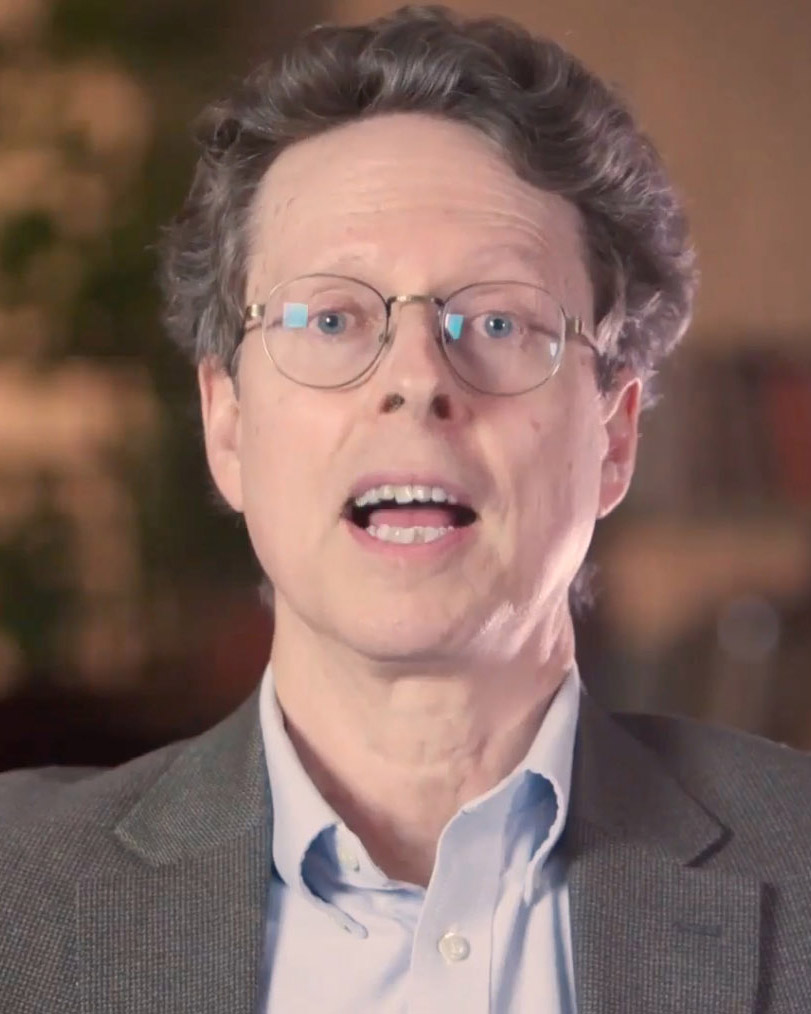
The Recovering Politician
Terry Bouricius brings a rare mix of experience to one of the central questions of democracy: how ordinary people can hold real power in public life. His background includes two decades in elected office, years of work on election reform, and a long-standing focus on sortition—the use of randomly selected citizens’ assemblies in public decision-making.
Long before he won office, Terry was already “a political person,” concerned with both the wider world and his own neighborhood. As a student at Middlebury College, he heard a speech by a then little-known Bernie Sanders, whose willingness to speak plainly about issues most politicians ignored helped draw Terry into local politics. Both men entered public life trying to change the system through elections. Both won. But over time, Terry came to a different conclusion: the deeper problem was not which politicians win, but why democracy depends on politicians at all.
The challenge, he found, was not simply to elect better politicians, but to build forms of government that give everyday people a real voice in public decisions.
Today, Terry is widely known for his work on sortition and citizens’ assemblies. He focuses on how randomly selected groups of citizens can study evidence, hear from experts, deliberate together, and make public decisions outside the pressures of campaigns, parties, donors, and re-election.
He is especially known for developing the model of “Multi-Body Sortition”, a way of using several different citizen bodies, each with its own role, as part of a working democratic system. His new book, Democracy Without Politicians, brings together decades of hands-on political experience and democratic design work to make the case for a democracy built around citizens rather than professional politicians.
Explore
More on the Book
The definitive blueprint for replacing elections with citizens’ assemblies.
Contact
For speaking inquiries, interviews, or academic collaboration